North Carolina Accord with Smithfield Foods on Hog Waste Pollution Fails After 25 Years
An agreement made 25 years ago between North Carolina and Smithfield Foods to clean up hog-waste pollution in eastern North Carolina has failed, with open lagoons still present.

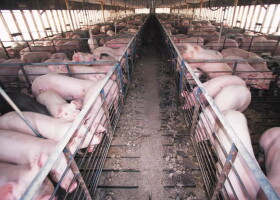
 Charlotte, NC, September 14, 2026 —
An environmental accord struck 25 years ago between the state of North Carolina and Smithfield Foods, aimed at addressing hog-waste pollution in the eastern part of the state, has reportedly failed to achieve its objectives. The agreement, established a quarter-century prior, sought to mitigate the environmental impact of concentrated animal feeding operations.
Despite the commitments made at the time of the agreement, reports indicate that open lagoons, which are central to the waste management systems of many hog farms, remain present. These lagoons have been a focal point of environmental concerns for decades, particularly in regions with a high density of hog farms, due to their potential to contaminate groundwater and surface water.
The specifics of the original agreement, including the precise timeline for cleanup and the methodologies mandated, were not detailed in the summary. The summary also does not provide information regarding any progress made, partial successes, or the exact nature of the failure. The identity of the parties who have determined the agreement has failed, or the specific evidence supporting this conclusion, was not provided.
Eastern North Carolina is known for its significant hog farming industry. Historically, the management of hog waste in the region has been a contentious issue, frequently drawing attention from environmental advocates and regulatory bodies. The failure of this long-standing agreement raises questions about the ongoing efforts to manage agricultural pollution and protect water resources in the area.
Further details regarding the current status of the lagoons, potential environmental consequences, and any subsequent actions planned by North Carolina or Smithfield Foods were not made available. The duration of the agreement, 25 years, highlights the long-term nature of environmental challenges and the complexities involved in reaching and enforcing such accords.
Story summarized from the original created by Marshall Terry on www.wfae.org, see more information here.
Media gallery