Congress Faces ‘Lame Duck’ Session with Key Deadlines Looming
Following the midterm elections, Congress has entered a "lame duck" session in Washington. Key legislative tasks include meeting a government funding deadline by December 11 and addressing other critical bills before the new Congress begins in January 2027.

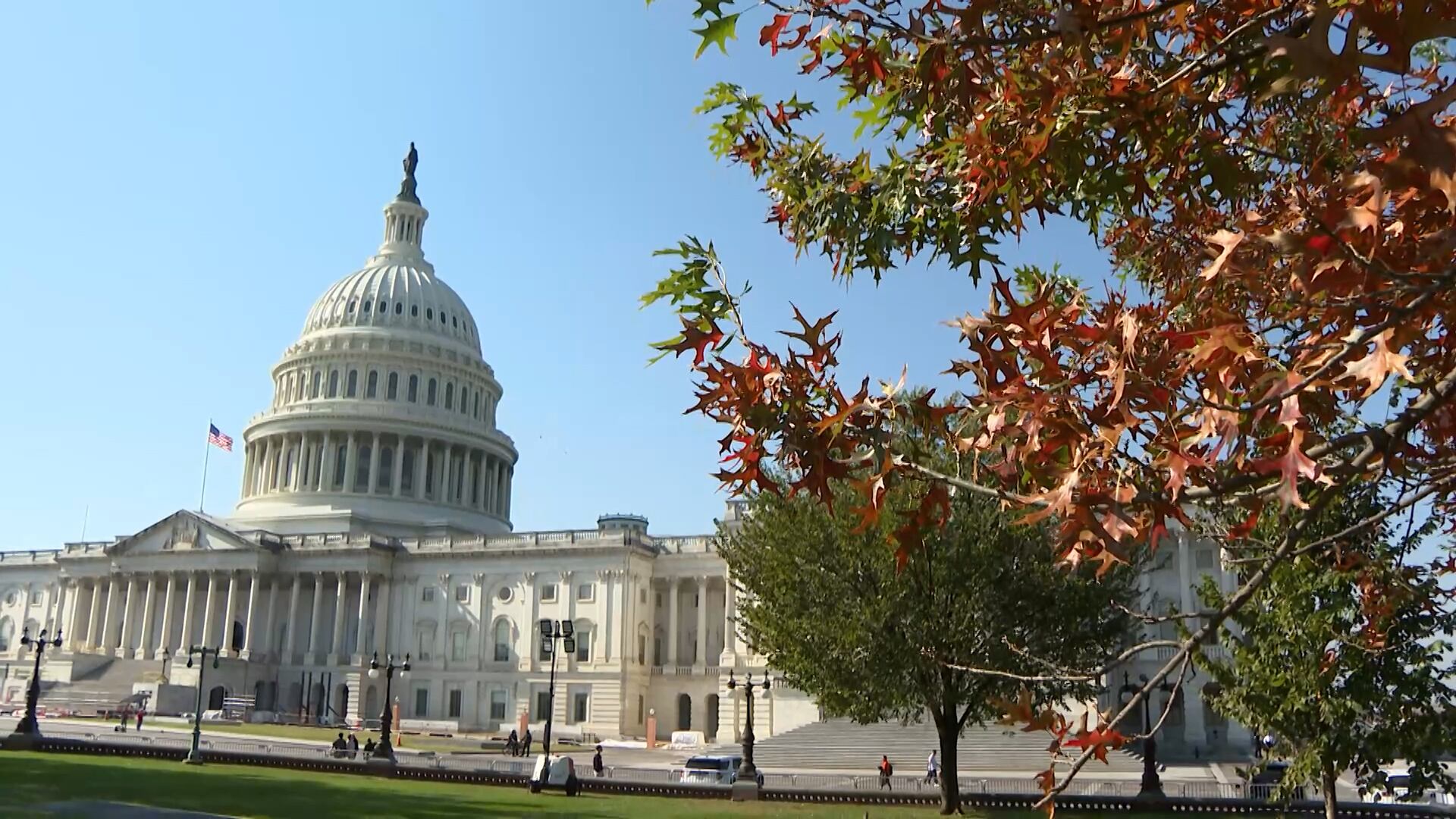
 Charlotte, NC, November 7, 2026 — The United States Congress has convened for a post-midterm election “lame duck” session in Washington D.C., facing a critical period with significant legislative priorities and approaching deadlines. This session, characterized by lawmakers continuing their work after an election but before a new congressional term begins, requires attention to several urgent matters before the composition of Congress potentially changes in January 2027.
A primary task for the current Congress is to address the government funding deadline. Lawmakers must pass appropriations legislation to fund federal operations, with a critical deadline set for December 11. Failure to meet this deadline could lead to a government shutdown, impacting services and agencies nationwide.
Beyond the immediate funding needs, the lame duck session presents an opportunity to tackle other essential legislative items. These could include bipartisan initiatives or measures that faced difficulty in earlier sessions. The limited timeframe before the new Congress is sworn in adds urgency to these potential undertakings.
The period is often a window for significant legislation to pass, as outgoing members may be more willing to compromise, and there is less pressure from future election cycles. However, it also presents challenges, as the outgoing administration or party may seek to advance certain agendas, while the incoming one may look to preserve its priorities for the next term.
The specific bills and initiatives that will be prioritized for action in this session remain a subject of ongoing discussion and negotiation among congressional leaders. The outcomes of these legislative efforts will shape the operational capacity of the federal government and the policy landscape heading into the new year.
The new Congress is scheduled to begin its term in January 2027, marking the end of the current session and the commencement of new legislative mandates based on the results of the recent midterm elections.
Story summarized from the original created by Caitrin Assaf on www.wbtv.com, see more information here.
Media gallery