Measles Cases Surge to 35-Year High Across the United States
The United States is experiencing a significant rise in measles cases, reaching a 35-year high with thousands reported nationally. The highly contagious disease can lead to severe health complications, including permanent brain damage. A substantial outbreak in South Carolina from…

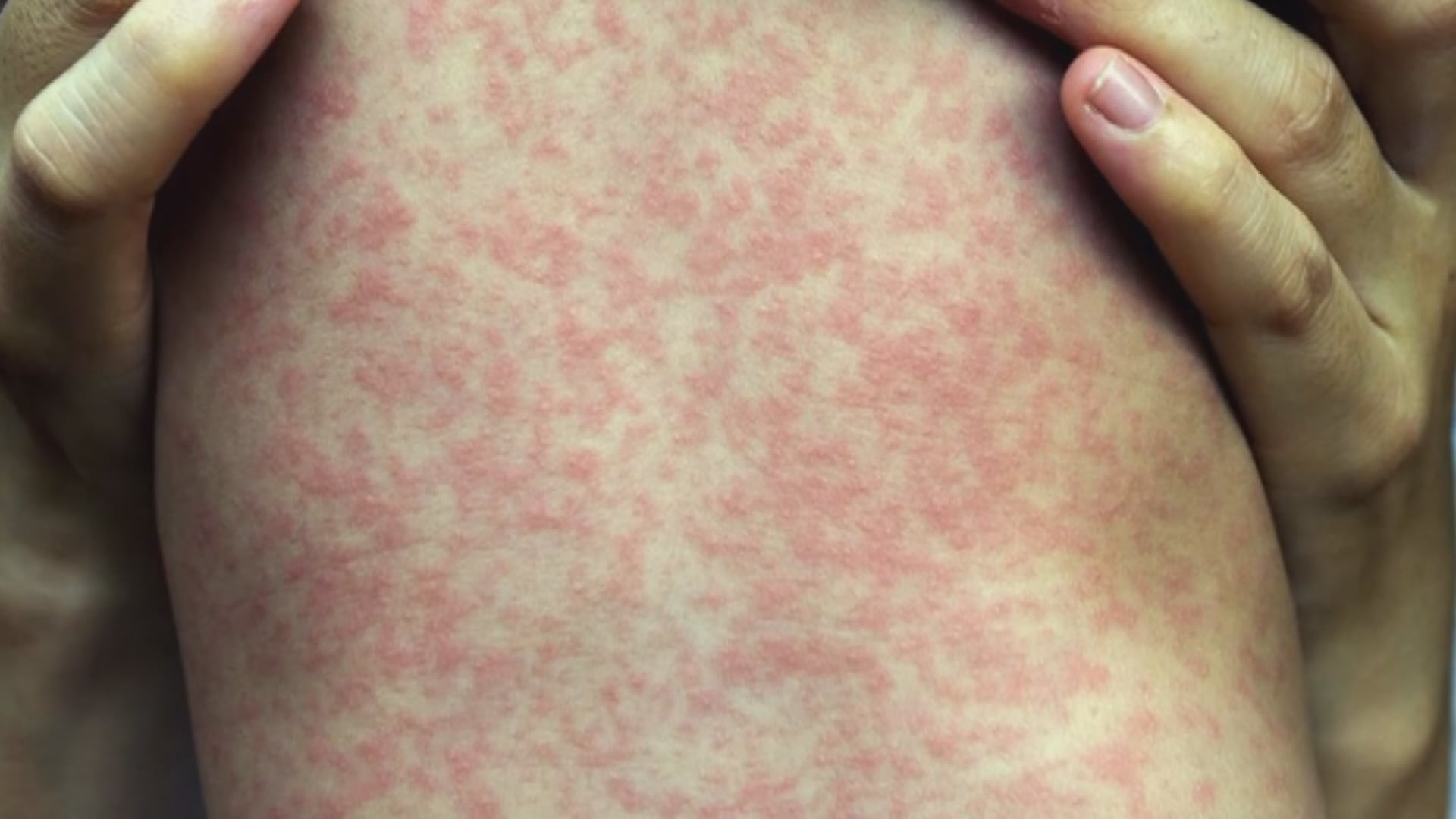
 Charlotte, NC, November 6, 2026 — The United States is currently facing a significant increase in measles cases, marking the highest number reported in 35 years with thousands of cases documented nationwide. Measles is a highly contagious viral illness that can lead to severe health complications, including pneumonia, encephalitis (brain swelling), and in some instances, permanent brain damage.
Health officials are closely monitoring the trend, emphasizing the disease’s ease of transmission. The contagious nature of measles means that one infected individual can spread the virus to a large number of susceptible people, particularly in settings with close contact.
A notable example of a large-scale outbreak occurred in South Carolina. From July 2025 to April 2026, the state recorded 997 measles cases. Public health records indicated that the overwhelming majority of these cases were among individuals who had not been vaccinated against the disease. This outbreak was eventually brought under control through the implementation of an aggressive vaccination campaign, highlighting the critical role of immunization in mitigating widespread transmission.
The current rise in measles cases is occurring against a backdrop of complex discussions surrounding vaccine hesitancy. While measles was once largely eradicated in the United States due to successful vaccination programs, a resurgence has been observed in recent years. This trend is attributed, in part, to declining vaccination rates in some communities.
The personal experiences of individuals and families affected by measles and related conditions are also part of the broader narrative. These stories underscore the potential severity of the illness and the challenges faced by those seeking to protect themselves and their communities from preventable diseases. The complexities surrounding vaccine hesitancy involve various factors, and public health efforts continue to focus on education and accessibility to vaccination services.
The specific details regarding the total number of national cases beyond the 35-year high benchmark were not provided in the summary. Similarly, the precise timeline for the current national surge and the specific vaccination rates contributing to the increase were not detailed. Information on specific locations of other outbreaks or the total number of complications reported nationally was also not included in the provided summary.
Story summarized from the original created by Kari Beal, InvestigateTV staff on www.wbtv.com, see more information here.
Media gallery