PTSD Symptoms Can Resurface in Later Life, ‘Aging Untold’ Highlights
A trending topic in Charlotte, highlighted by 'Aging Untold', explains that Post-Traumatic Stress Disorder (PTSD) symptoms can resurface in later life, particularly during significant changes such as retirement or loss. The core idea is that trauma doesn't expire, and the…

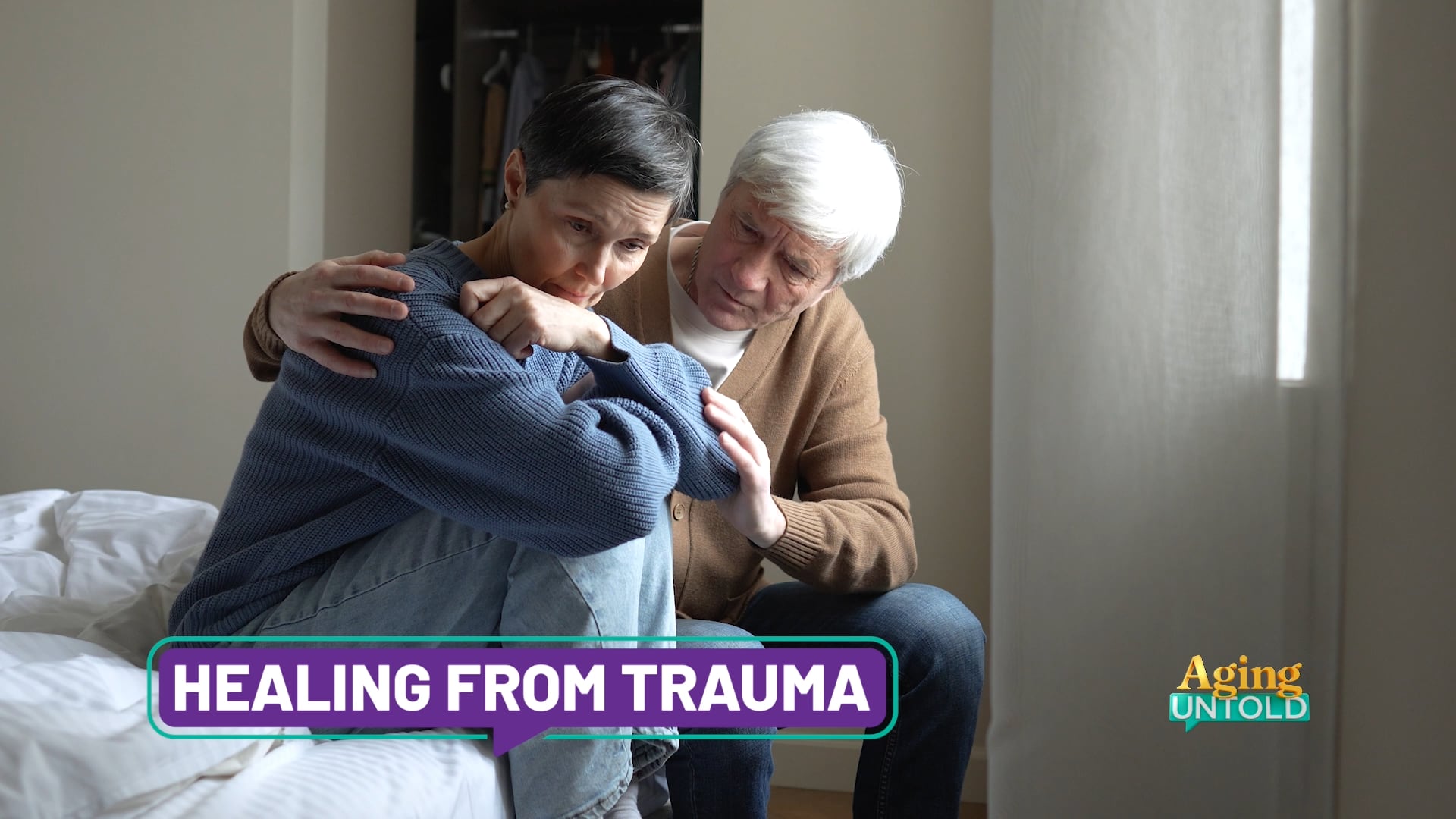
 Charlotte, NC, October 7, 2026 —
A growing awareness in Charlotte is focusing on the phenomenon of Post-Traumatic Stress Disorder (PTSD) symptoms re-emerging in older adults, a trend highlighted by the initiative ‘Aging Untold’. This development brings attention to the complex ways past trauma can affect individuals later in life, often during periods of significant personal transition.
The core message emphasizes that the impact of traumatic experiences does not necessarily diminish with time. Instead, the body and brain may continue to exhibit responses to past dangers as if those threats are current. This persistent physiological and psychological reaction can manifest in various ways.
‘Aging Untold’ points out that these late-onset or resurfacing PTSD symptoms can be particularly pronounced during major life changes. Events such as retirement, the loss of a spouse or loved ones, or other substantial shifts in routine and social connection can act as triggers, bringing underlying trauma to the forefront.
A critical aspect of this trend is the potential for misdiagnosis. In older adults, symptoms associated with PTSD may be mistaken for other age-related conditions. These can include dementia, with memory issues or confusion being noted, or depression, characterized by persistent sadness, loss of interest, or changes in sleep and appetite. Differentiating between these conditions is a key challenge for healthcare professionals and families.
The initiative underscores the importance of recognizing that trauma can have long-lasting effects and that its expression can evolve over a person’s lifespan. Understanding these nuances is crucial for providing appropriate support and care to older individuals who may be experiencing the resurgence of past traumatic stress.
Story summarized from the original created by LeAnne Gendreau, Katherine Ambrose , Sondra ‘Sam’ Cradduck , Amy Amy Cameron O’Rourke, Rhea Rogers on www.wbtv.com, see more information here.
Media gallery