Research Finds Braces Can Triple Plaque Buildup and Sharply Raise Cavity Risk
Interdental cleaning is the hygiene step orthodontic patients most often abandon, at the point in treatment when it

Press Release Disclaimer: This is a press release distributed through the XPR Media network. It has not been independently verified by our newsroom.
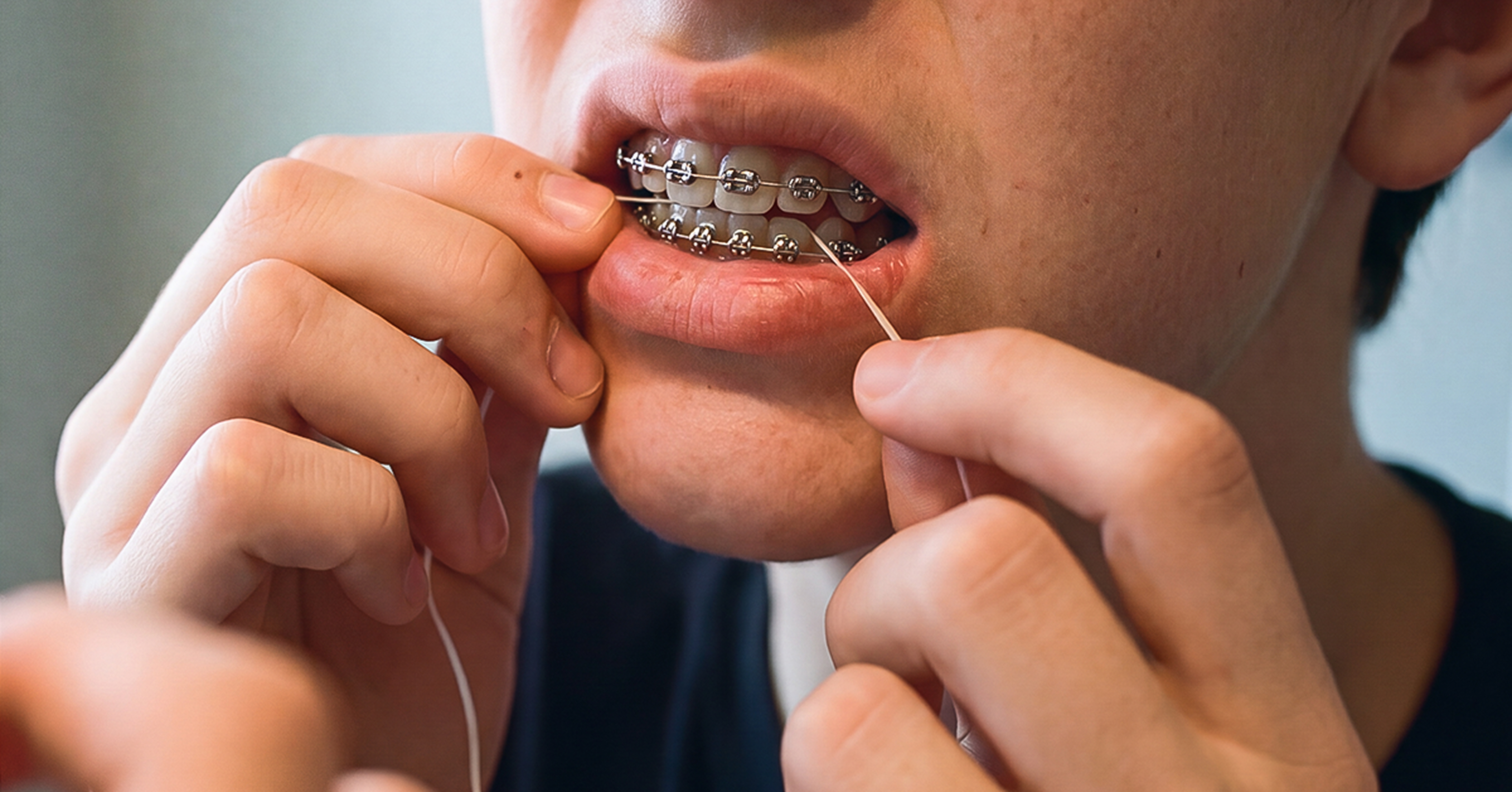

Interdental cleaning is the hygiene step orthodontic patients most often abandon, at the point in treatment when it matters most.
SAN FRANCISCO, CA, UNITED STATES, August 22, 2026 /EINPresswire.com/ — Braces straighten teeth. They also make those teeth considerably harder to keep clean, and the clinical evidence on what that costs patients is more striking than most people expect.
A study published in the American Journal of Orthodontics and Dentofacial Orthopedics found that plaque coverage in orthodontic patients runs 2 to 3 times higher than in adults who already form plaque heavily and wear no appliances at all. Brackets, archwires, and ligatures each add surfaces and crevices that a toothbrush cannot properly reach.
The consequences show up quickly. White spot lesions, the first visible sign that enamel is demineralizing, can appear within 4 weeks of appliance placement. A separate study in the same journal found that 72.9% of patients developed at least 1 new white spot lesion over the course of treatment, and a large-scale review in BMC Oral Health identifies orthodontic treatment as a recognized risk factor for dental caries.
Flossing is where the routine tends to break down. Threading a strand beneath an archwire, tooth by tooth, turns a 2-minute task into a 10-minute one, and it demands a level of patience and dexterity that many patients, particularly teenagers, simply do not sustain. Randomized trial data on orthodontic hygiene confirms what clinicians see daily: interdental cleaning is the step most often abandoned mid-treatment.
That happens against an already weak baseline. Only about 1/3 of adults clean between their teeth daily under ordinary circumstances. Add hardware, and the figure falls further, at precisely the moment when thorough cleaning matters most.
Orthodontists increasingly recommend threading aids, interdental brushes, floss picks, and soft picks as practical alternatives for patients in treatment. The wider shift in the field is toward tools built for the mouth a patient actually has, rather than expecting patients to adapt standard products to hardware those products were never designed to accommodate.
About Tonochi: Based in San Francisco, Tonochi is an oral care firm dedicated to improving interdental health, focusing on the spaces between teeth where most oral problems begin. The company develops a range of interdental tools, including products designed for patients with braces, bridges, and implants, combining functional engineering and human-centered design to address the root causes of cavities and periodontal disease. Products are available at tonochi.com and on Amazon.
Rachel Zhang
Tonochi
+1 707-559-8111
email us here
Visit us on social media:
LinkedIn
Instagram
Facebook
YouTube
TikTok
Other
Legal Disclaimer:
EIN Presswire provides this news content “as is” without warranty of any kind. We do not accept any responsibility or liability
for the accuracy, content, images, videos, licenses, completeness, legality, or reliability of the information contained in this
article. If you have any complaints or copyright issues related to this article, kindly contact the author above.

Media gallery