Animal Shelters Strained by Geographic Mismatch, Relocation Programs Offer Lifeline
Animal shelters across the U.S., especially in the South and Midwest, are overwhelmed due to a geographic mismatch where animals are located in areas with fewer adopters and resources. Relocation programs, such as those run by the ASPCA, are moving…

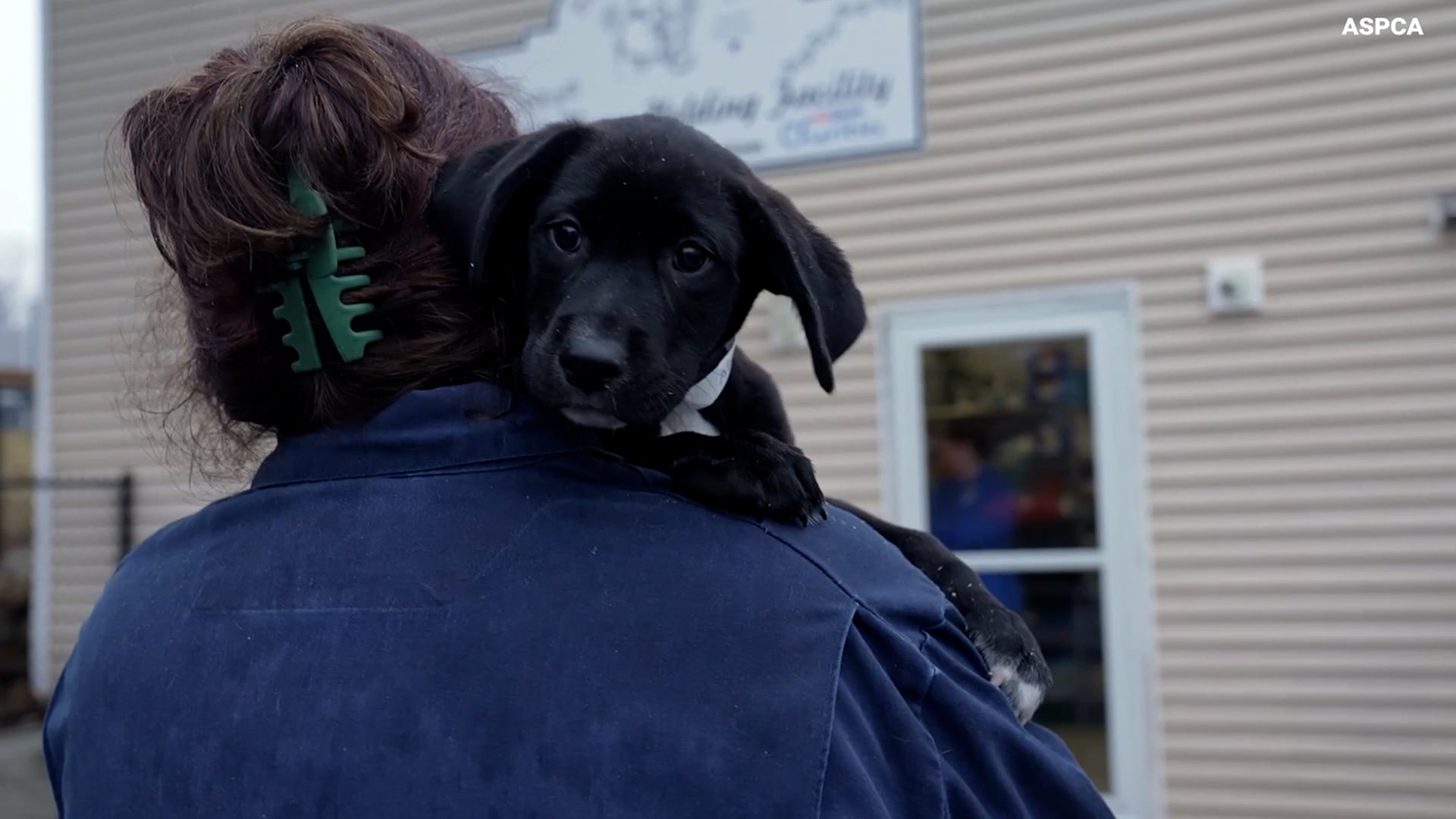
 Charlotte, NC, October 2, 2026 —
Animal shelters nationwide are facing significant overcrowding challenges, a situation exacerbated by a geographic disparity between where animals are housed and where prospective adopters are concentrated. This trend is particularly pronounced in regions like the South and Midwest, areas that often have a higher intake of animals but fewer available resources and a lower rate of adoptions.
To combat this crisis and prevent euthanasia, relocation programs have become a critical component of animal welfare efforts. These initiatives work to transport animals from overcrowded shelters in less populated or lower-resourcing areas to regions with higher demand for pet adoption. Organizations like the ASPCA are at the forefront, facilitating the movement of hundreds of thousands of animals each year.
The logistics of these relocation programs are complex, involving both ground and air transportation to cover vast distances. By moving animals to areas where they are more likely to find permanent homes, these programs serve a dual purpose: saving individual animal lives and alleviating the immense pressure on overwhelmed local shelters. The success of these programs hinges on coordinating with shelters in need and with receiving organizations in areas experiencing higher adoption rates.
Information regarding the specific number of animals relocated annually beyond the “hundreds of thousands” figure, or detailed breakdowns of which specific shelters or geographic sub-regions within the South and Midwest are most affected, was not provided. Similarly, the precise operational scope and capacity of individual relocation programs, beyond the ASPCA’s involvement, were not detailed in the summary.
Despite the scale of the challenge, the strategic relocation of animals represents a vital strategy for animal welfare organizations aiming to ensure more pets have the opportunity to be adopted into loving families, regardless of their original location.
Story summarized from the original created by Kristin Crowley, Shannon Weston on www.wbtv.com, see more information here.
Media gallery